Buying Your First Machine?
Call +86-13958915221
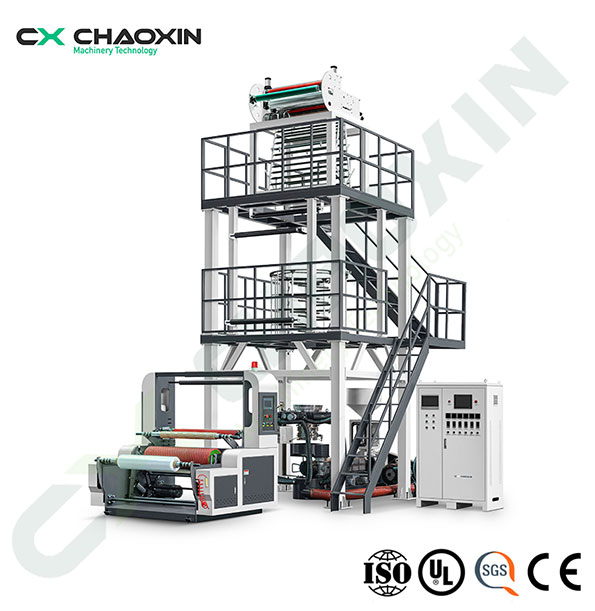
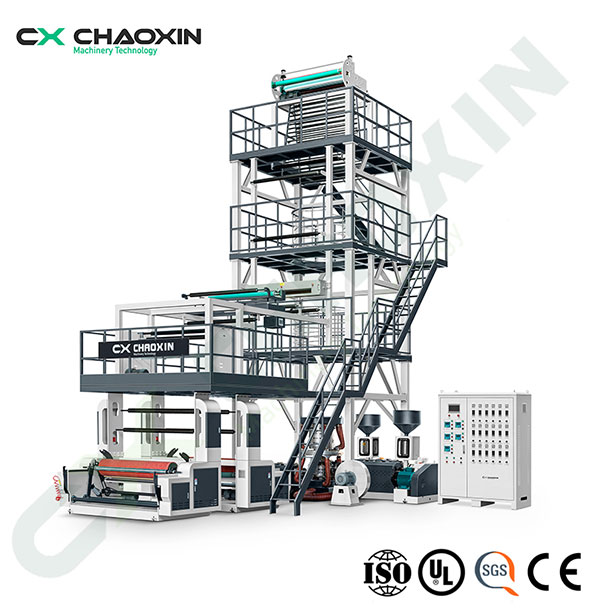
Environmental regulations are tightening worldwide. More film manufacturers are asking about switching to biodegradable resins like PLA and PBAT. But here’s the reality: these materials do not behave like polyethylene. If you try to run them on a standard blown film line without modifications, you‘ll get collapsed bubbles, burn marks, and piles of unusable scrap. A biodegradable blown film machine is not just a marketing label—it’s a fundamentally different piece of equipment, from the screw geometry to the temperature controllers. This guide answers the twelve most common questions film manufacturers ask before making the switch. No fluff, no sales pitch—just the technical details you need to make an informed decision.
Q1: Can a standard blown film machine process biodegradable resins?
The short answer is: sometimes, but not well. A standard PE line can run PLA or PBAT for short test runs, but you’ll face persistent quality issues. Biodegradable resins have a narrow processing window—typically 150–170°C for PLA, 190–220°C for PBAT. Go just 10–15°C above, and the polymer chains degrade, turning the film brittle. Go too low, and the melt is inconsistent, wrecking bubble stability. Most standard extruders have temperature controllers that drift by ±5°C—acceptable for PE but disastrous for biodegradable resins. You need ±0.5°C accuracy across all heating zones, which requires PID controllers with high‑resolution thermocouples and well‑insulated heating zones.
Q2: What’s the difference between a dedicated biodegradable blown film machine and a retrofit?
A retrofit is a standard PE machine with a few bolt‑on modifications—maybe a different screw, maybe extra barrel cooling. It’s a compromise. A dedicated biodegradable blown film machine is designed from the ground up for these materials. Key differences:
Screw design. Dedicated machines use a lower compression ratio (2.5:1 or 3:1 instead of 3.5:1 for PE) and gentle mixing sections. Aggressive mixers like Maddock or pineapple designs over‑shear biodegradable resins, causing degradation. A 30:1 L/D ratio is standard for proper melting without overheating.
Temperature control. Retrofit lines often keep the original ±5°C controllers. Dedicated lines install PID controllers capable of ±0.5°C accuracy.
Cooling system. Biodegradable resins need faster, more uniform cooling to stabilize the bubble. Dedicated machines have high‑performance dual‑lip air rings and larger cooling fans.
Material handling. A dedicated line includes a desiccant dryer integrated into the feed system, because PLA and PBAT must be dried to below 200ppm moisture before extrusion.
Q3: Is the same die head used for PLA and PBAT?
Yes, the same die head can be used for both PLA and PBAT, but with stricter temperature management. PLA typically runs at lower die temperatures (around 165–175°C), while PBAT can tolerate slightly higher temperatures. The bigger challenge is die design: PBAT can carbonize in “dead zones” where material stagnates. Streamlined internal channels with a “first‑in, first‑out” flow pattern are essential to avoid black spec contamination in your film.
Q4: Why does PLA film bubble keep collapsing?
This is the number one frustration for manufacturers new to PLA. PLA has inherently poor melt strength compared to LDPE. The bubble wobbles, sags, and tears easily during blowing. Processing temperature is the most critical parameter for bubble stability.
Solutions:
Reduce blow‑up ratio (BUR). PLA runs best at a BUR of 1.5–2.5, compared to 3–4 for LDPE.
Lower the frost line height. Faster cooling stabilizes the bubble.
Use a narrower die gap. This reduces the distance the melt has to stretch.
Consider higher molecular weight PLA grades. Research shows that higher Mw PLA achieves stable conditions at around 200°C, while lower Mw grades struggle. Some manufacturers also add chain extenders to improve melt strength.
Q5: How to prevent die build‑up with PBAT?
Die build‑up (also called “die drool”) occurs when PBAT degrades inside the die and accumulates around the lip opening. The material carbonizes into hard black specks that fall onto the film, ruining optical quality. Key prevention measures:
Lower die temperature. Run the die 5–10°C cooler than the barrel zones.
Choose the right die geometry. A “first‑in, first‑out” flow pattern eliminates dead zones where PBAT can stagnate and degrade.
Increase cleaning frequency. Schedule daily lip cleaning when running PBAT continuously.
Use a purge compound between color or material changes. For long‑term shutdowns, purge with low‑melt‑index polypropylene (PP) to prevent PBAT from degrading into acidic residue that corrodes screw and barrel surfaces.
Q6: What is the typical output loss compared to LDPE?
Expect a 15–25% output reduction when switching from LDPE to biodegradable resins. PLA and PBAT have higher melt viscosity and lower shear sensitivity, so you must run the screw at lower speeds. A dedicated biodegradable blown film machine with a 55mm screw typically achieves 50–60 kg/h for PLA/PBAT blends, compared to roughly 70–90 kg/h for LDPE on the same line. The exact output depends on the blend ratio, film thickness, and cooling efficiency. Accept the throughput hit upfront—it’s the price of compostability.
Q7: Must I dry PLA before extrusion?
Yes—and this is non‑negotiable. PLA and PBAT are hygroscopic; they absorb moisture from the air. If pellets aren’t dried properly, the moisture turns to steam inside the barrel, creating bubbles in the melt. Those bubbles cause pinholes and weak spots in the film. In severe cases, the bubble collapses entirely.
Drying specifications:
Temperature: 65–80°C
Duration: 4–6 hours
Target moisture: Below 200ppm (0.02%)
The “15‑minute rule”: Material exposed to ambient air for over 15 minutes must be re‑dried
If you’re planning to run biodegradable resins full‑time, your blown film line must include an integrated desiccant dryer—not an afterthought. Skipping drying is the fastest way to produce scrap.
Q8: Can I blend PBAT with starch?
Yes, starch‑PBAT blends are common for fully compostable films. Starch accelerates degradation and reduces material cost, but it also introduces processing challenges. Starch is even more moisture‑sensitive than PBAT and must be carefully dried. For consistent results, pre‑mix starch and PBAT using a twin‑screw extruder to create homogeneous pellets before film blowing. In‑line mixing with gravimetric feeders can work for stable formulations, but requires precise calibration.
Typical blend ratios range from 30% starch / 70% PBAT (accelerated degradation) to 20% starch / 80% PBAT (better mechanical properties).
Q9: What screw design works best for biodegradable blends?
A barrier‑type or separation‑type screw with a 30:1 L/D ratio is optimal for biodegradable resin blends. Specific design features:
Lower compression ratio: 2.5:1 to 3:1 (compared to 3.5:1 for PE)
Gentle mixing sections: Avoid aggressive Maddock or pineapple mixers
Gradual transition zones: Smooth melting prevents localized overheating
Wear‑resistant alloys: PLA and PBAT can be abrasive; 38CrMoALA or nitrided steel extends screw life.
Some Chinese manufacturers like Chaoxin have adapted their extruders specifically for compostable resins, using German‑spec temperature modules to maintain ±0.5°C accuracy and low‑shear screw designs to prevent degradation.
Q10: Can I get clear film from biodegradable resins?
Yes, but clarity requires more careful processing than PE. PLA naturally produces clear film because it crystallizes slowly. PBAT produces translucent to clear film depending on cooling rate. The key is rapid quenching after the die:
Use a high‑performance dual‑lip air ring for even, fast cooling.
Maintain a low frost line height—the closer the frost line to the die, the faster the quench.
Avoid slow crystallization by controlling the take‑up speed. Slower cooling gives crystals more time to form, resulting in haze.
For highest clarity applications (e.g., food packaging windows), consider PLA‑dominant blends (80:20 PLA/PBAT) which stay clearer but have reduced tear strength. For applications where translucency is acceptable (carrier bags, agricultural mulch), PBAT‑dominant blends offer better mechanical toughness.
Q11: How to test biodegradability of produced film?
Two international standards certify compostability:
ASTM D6400 – US standard for compostable plastics. Requires 90% biodegradation within 180 days, plus disintegration and ecotoxicity tests.
EN 13432 – European standard. Similar to ASTM D6400 but with stricter heavy metal limits.
Both standards require testing for:
Biodegradation (90% within 180 days)
Disintegration (90% of film fragments pass through a 2mm sieve within 12 weeks)
Plant toxicity (no adverse effects on plant growth)
Heavy metals (below specified limits)
For commercial sales, work with an accredited lab to certify your film. Products carrying the “Seedling” logo (DIN CERTCO) or “OK compost” (AIB Vincotte) have been independently tested to these standards.
[Image: Laboratory technician testing biodegradable film sample with chemical indicators to verify compostability per ASTM D6400 standards]
Q12: What maintenance schedule changes are needed?
Biodegradable resins require more frequent cleaning than polyethylene. PLA and PBAT have a tendency to leave carbonized residues on screw and barrel surfaces, especially if temperature control drifts. Adjust your maintenance schedule as follows:
| Maintenance Task | PE Schedule | Biodegradable Schedule |
|---|---|---|
| Screen pack change | Every 2–4 weeks | Weekly |
| Die lip cleaning | Weekly | Daily |
| Screw pull and inspection | Every 6 months | Every 3 months |
| Full purge between material changes | Optional | Mandatory |
| Gearbox lubrication | Quarterly | Quarterly (unchanged) |
For long‑term shutdowns, never leave PBAT in a heated barrel. Drop temperatures to 100°C for short interruptions. For extended downtime, purge the system completely with low‑MI polypropylene (PP) to prevent the resin from degrading into acidic residue that corrodes screw and barrel surfaces. Some manufacturers report that proper purging can extend screw life by 2–3 years compared to leaving biodegradable residues in place.
Transitioning to biodegradable film production is not as simple as buying a “biodegradable” label on a standard extruder. Here‘s your decision checklist before placing an order:
Confirm the machine has ±0.5°C temperature control, not standard ±5°C controllers.
Verify the screw design—low compression ratio (2.5–3:1), 30:1 L/D, gentle mixing sections, wear‑resistant alloy.
Ensure the line includes an integrated desiccant dryer capable of 4–6 hours at 65–80°C, targeting <200ppm moisture.
Ask about the die head design—does it have “first‑in, first‑out” flow channels to prevent PBAT carbonization?
Get output data for your target resin blend before buying. Request a lab trial or factory test run.
Ask for maintenance recommendations—cleaning intervals, purge protocols, and spare parts availability.
The best advice before ordering a dedicated line: test your specific biodegradable resin blend on a lab‑scale extruder or request a factory trial run. What works for pure PBAT may fail for a 50:50 PLA/starch blend. Every formulation has slightly different processing windows, and small adjustments to temperature profiles or screw speed can make the difference between saleable film and scrap.
Before you sign a purchase order, request a factory test run with your actual resin blend. Watch the bubble stability. Check the film for black specs and pinholes. Run the output numbers for your target film thickness. A few hours of testing upfront saves months of production headaches.
Ready to evaluate a biodegradable blown film machine for your facility? Contact Chaoxin for a consultation or to request a factory test run. Share your target resin blend (PLA, PBAT, starch‑based, or hybrid), desired film thickness and width, and daily output requirements—their technical team can recommend the right screw and die configuration for your application.
ZHEJIANG CHAOXIN MACHINERY TECHNOLOGY CO., LTD.
Booth No:18.1F20
Time:October 15 – 19, 2026
Add:Canton Fair Complex (Pazhou), Guangzhou
WEB: www.zjchaoxin.com





 English
 Pусский
 Español