Buying Your First Machine?
Call +86-13958915221
Film processing plants frequently grapple with various product defects and equipment malfunctions during daily operations. Issues such as gauge variations, gel particles and black specks, bubble instability, wrinkling during winding, slow cooling, and frequent film breakage arise in rotation. These problems directly drive up scrap rates and extend downtime, severely delaying order fulfillment—representing a persistent headache for countless production managers.
As a high-tech manufacturer specializing in the R&D and production of blown film equipment, Zhejiang Chaoxin Machinery Technology Co., Ltd. leverages a standardized production base spanning over 90 *mu*, 25 proprietary patents, and comprehensive ISO9001 and CE certifications. Drawing on practical experience serving film manufacturers in 89 countries, the company systematically breaks down the industry's top ten production challenges, analyzes root causes, and provides improvement solutions. Furthermore, Chaoxin Machinery explains how equipment design innovations eliminate the recurrence of such defects at the hardware level.
Low-end equipment features poorly designed die flow channels and lacks independent temperature control for individual layers; standard air rings produce turbulent airflow without automatic adjustment; extrusion screws provide uneven mixing, leading to significant fluctuations in melt output; and the absence of an online thickness monitoring system—combined with insufficient precision in manual fine-tuning—results in excessive overall thickness deviation, making the film highly prone to defects during subsequent printing and bag-making processes.
The system features a high-precision spiral-flow die head paired with an automatic servo-controlled die lip, an upgraded dual-channel balanced air ring, and an integrated online thickness measurement and closed-loop control system; it also employs multi-zone precision temperature control to ensure a stable extrusion flow rate.
Inferior steel quality and substandard nitriding for the screw and barrel lead to inadequate raw material plasticization; simple, fragile screen structures allow impurities to enter the melt; poor die-head polishing precision and flow-path dead zones cause carbon buildup and charring; weak mixing and dispersion capabilities for recycled materials result in filler agglomeration and the formation of "fish-eye" defects.
Utilize barrier-type screws made of nitrided alloy steel; incorporate multi-stage filtration screens; employ mirror-polished die heads free of dead zones; optimize the screw's mixing section design to enhance filler dispersion.
All screws and barrels are constructed from thickened, specialized nitrided steel and feature a separation-barrier mixing design, ensuring uniform and thorough plasticization; die heads undergo full mirror polishing to eliminate carbon-accumulating dead zones; the system supports gravimetric dosing, ensuring uniform dispersion of virgin, recycled, and biodegradable materials while significantly reducing defects such as gel particles, black specks, and fish-eyes—making it ideal for the stable production of fully biodegradable PLA/PBAT films.
Standard models lack an internal bubble cooling (IBC) system, relying on a single external airflow for cooling; die head concentricity suffers from significant machining errors; the variable-frequency drive systems for the haul-off and main unit lack precision, leading to speed fluctuations; and the bubble support structure is rudimentary, causing the bubble to sway or drift due to even minor workshop air currents.
Install an IBC system for internal cooling and bubble stabilization; calibrate die head concentricity; utilize high-precision variable-frequency servo drives; and equip the machine with a wind-shielding bubble stabilization frame.
High-speed models come standard with an IBC system featuring balanced dual-layer (internal and external) air cooling and real-time ultrasonic bubble diameter monitoring for dynamic airflow stability. The machine utilizes servo drives to minimize speed fluctuations and undergoes rigorous factory calibration of die head concentricity; this ensures stable, drift-free bubble performance during 24-hour continuous production and significantly reduces the risk of film breakage.
Uneven film thickness causing internal stress variations; misalignment or unbalanced pressure at the collapsing frame and haul-off rollers; inability of winding tension to automatically adjust with roll diameter, leading to inconsistent tightness; lack of flattening mechanisms, causing film tracking errors or drifting.
Address thickness uniformity issues at the upstream stage; align the collapsing frame with the haul-off center; utilize a winder with automatic taper tension control; install an automatic edge-guiding and flattening device.
Equipped with a fully automatic, intelligent winding unit featuring an integrated segmented taper tension control system, high-precision photoelectric edge guiding, and wide flattening rollers; the die head, haul-off, and winding sections undergo coaxial alignment prior to delivery, ensuring flat, even roll end faces and a wrinkle-free roll, making it ideal for high-speed, fully automated downstream bag-making processes.
Uneven distribution of cooling air (hot and cold spots) from the air ring, leading to significant differences in cooling rates across the bubble; improper temperature zone settings, causing stress patterns due to alternating heating and cooling of the melt; and an imbalance between the blow-up ratio and haul-off speed.
Replace with a dual-channel air ring that ensures uniform airflow; implement precise, zoned temperature control; and optimize the match between haul-off speed and blow-up ratio.
Features multi-zone, independent, and precise temperature control modules, allowing for customized temperature profiles based on specific raw materials such as LDPE, HDPE, or biodegradable resins; utilizes a custom-designed, balanced-flow air ring that ensures uniform circumferential cooling of the bubble, eliminating water-ripple and cloud-like defects to produce film with uniform transparency and superior visual quality.
Uncontrollable melt ratio between layers in multi-layer co-extrusion models; insufficient screw length-to-diameter (L/D) ratio leading to incomplete raw material plasticization; excessive cooling and setting speed preventing adequate molecular chain stretching and orientation; uneven melt distribution at the die head causing significant variations in mechanical properties across layers.
Utilize extrusion screws with optimized L/D ratios; precisely control raw material ratios for each layer; adjust the cooling line height appropriately to slow down the setting speed.
The ABA three-layer co-extrusion unit supports flexible adjustment of layer ratios (ranging from 1:4:1 to 1:8:1) and allows for versatile combinations of virgin materials for outer layers and recycled/filler materials for the core layer. High L/D ratio extrusion screws ensure thorough plasticization and stretching, resulting in balanced and stable longitudinal and transverse tensile strength; the film’s load-bearing and tear-resistance capabilities far exceed those of films produced by standard equipment.
Unstable bubble oscillation and unbalanced cooling; poor raw material plasticization resulting in weak points (gel particles); drastic fluctuations in air pressure and haul-off speed; localized narrowness in the die lip gap causing abrupt changes in melt thickness and creating stress-prone weak zones.
Stabilize the bubble and balance cooling; optimize screw plasticization performance; stabilize air pressure and main motor speed; precisely adjust the die lip gap.
Features a dual-stabilization structure combining IBC (Internal Bubble Cooling) and a dual-layer external air ring, with a servo closed-loop control system to lock in speed and air pressure; standardized factory calibration of the die lip gap ensures continuous, uniform melt output and significantly reduces weak points; decreases the rate of production stoppages due to film breakage by over 70%, thereby increasing effective production capacity.
Uneven dispersion of the inner-layer heat-sealing material; film cooling too rapidly, leading to excessive molecular crystallinity in the heat-seal layer; poor interlayer fusion in multi-layer co-extrusion, resulting in delamination; temperature settings that are too high or too low, compromising the properties of the heat-sealing substrate.
Optimize the screw mixing configuration; reduce cooling air velocity and raise the cooling line height; precisely match melt temperatures across layers to ensure effective interlayer fusion.
Customized screw mixing sections designed specifically for heat-seal films and courier bag films ensure thorough and uniform dispersion of inner and outer heat-sealing materials; independent temperature control for each layer allows for precise regulation of interlayer fusion temperatures, resulting in strong, airtight seals that meet the high-strength sealing requirements of food packaging and courier bags.
The simple single-air-channel air ring offers low airflow and poor heat exchange efficiency. Lacking an Internal Bubble Cooling (IBC) system, the process relies solely on external air cooling. Insufficient cooling fan power results in slow setting of the high-temperature melt, restricting production to low speeds and preventing capacity growth.
Upgrade to a high-flow dual-air-channel air ring and install an IBC system; increase cooling fan power and optimize the air circulation structure.
All high-speed models come standard with high-power cooling fans and IBC systems. Simultaneous internal and external cooling accelerates the setting process, doubling cooling efficiency. Production speeds for a given film width significantly exceed those of standard industry models, truly achieving high-speed, high-output production and resolving the core issue of cooling limitations hindering capacity.
The die head and screw flow channels contain numerous dead zones and grooves; standard single-screw designs suffer from excessive mixing dead zones, making it easy for old and new materials to intermingle; the lack of a dedicated rapid-purge structure necessitates lengthy purging processes and results in significant raw material waste during every changeover.
Utilize mirror-finished die heads free of dead zones and self-cleaning barrier screws; design streamlined, short-path flow channels to minimize material stagnation zones.
Proprietary streamlined die head design eliminates stagnation zones and features a mirror-polished, dead-zone-free interior; barrier-type self-cleaning screws ensure smooth material conveyance without accumulation or residue; enables rapid purging when switching materials, masterbatches, or biodegradable resins, significantly reducing raw material waste and downtime losses while boosting overall workshop productivity.
Many film processing plants encounter pitfalls when purchasing low-cost equipment: manufacturers skimp on core component materials, produce shoddy die heads and screws, omit stable cooling and bubble stabilization structures, and use imprecise electrical control systems. These inherent hardware flaws cannot be fully remedied by manual adjustments, forcing plants to endure high scrap rates and frequent downtime.
In contrast, Zhejiang Chaoxin Machinery Technology Co., Ltd. addresses ten major production pain points right from the R&D stage:
80% of blown film defects and equipment failures stem from inherent design and manufacturing shortcomings; relying solely on operators to make repeated adjustments treats the symptoms rather than the root cause, continuously eroding factory profits. Choosing professional blown film equipment designed to structurally eliminate issues—such as uneven thickness, gel spots (fish eyes), film breakage, slow cooling, and difficult machine cleaning—is essential for stabilizing yield rates, increasing production speeds, and reducing overall waste.
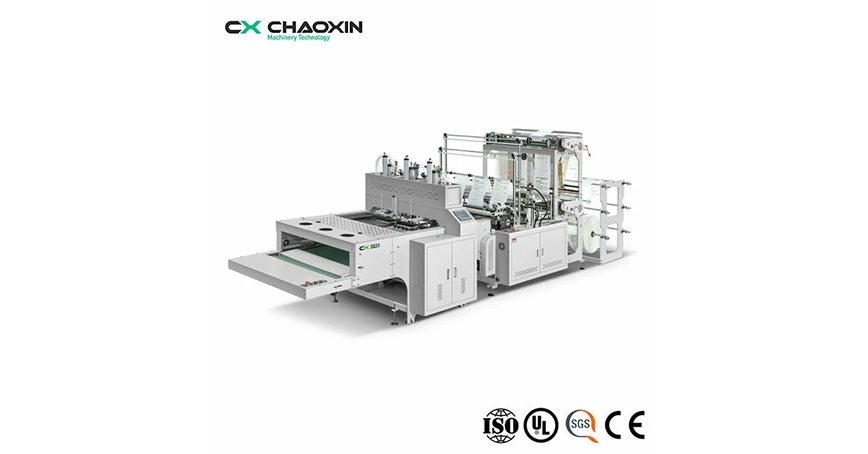
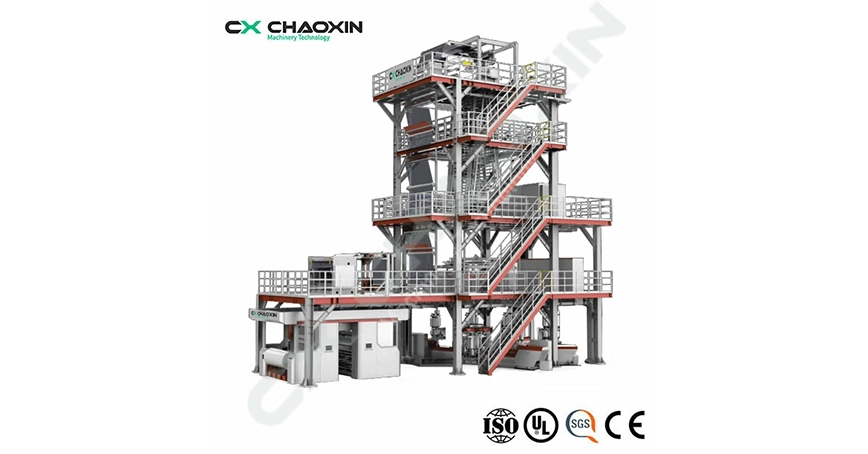
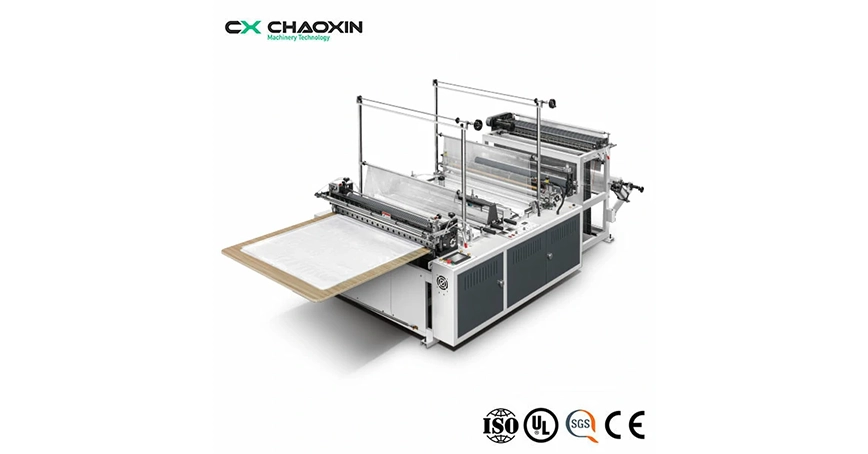
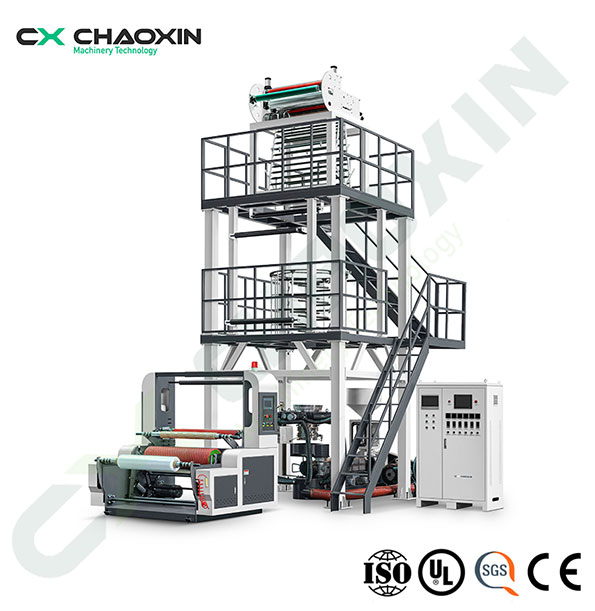
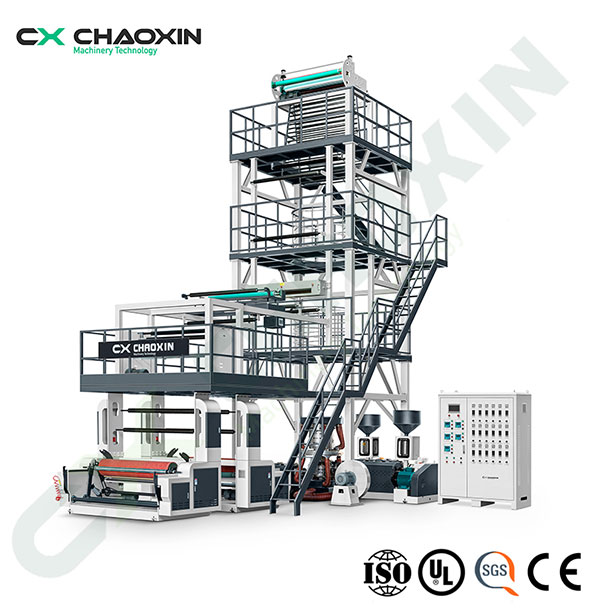
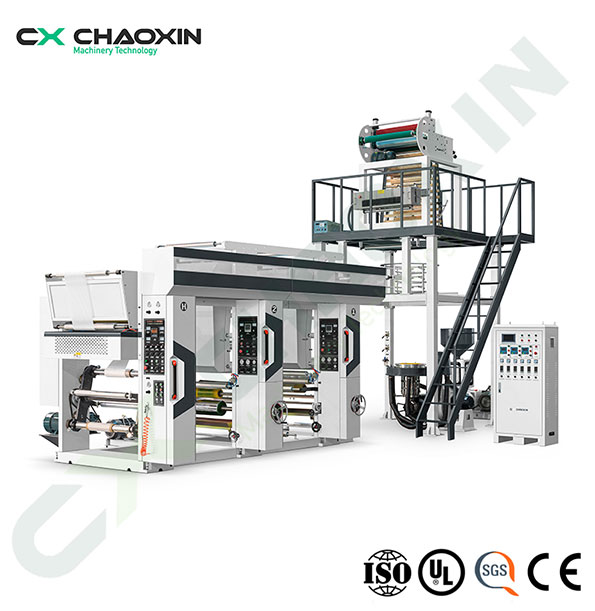
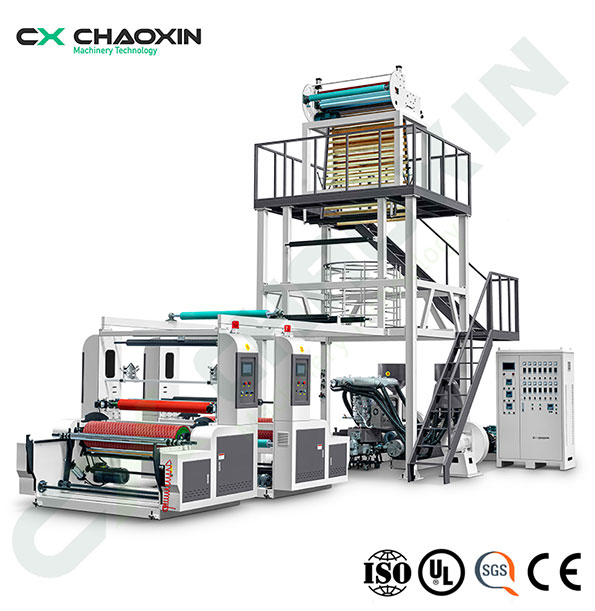
Zhejiang Chaoxin Machinery specializes in ABA three-layer co-extrusion blown film machines, high-speed multi-layer co-extrusion machines, and machines dedicated to fully biodegradable materials, alongside auxiliary printing and bag-making equipment; its products are exported to 89 countries and regions worldwide.
ZHEJIANG CHAOXIN MACHINERY TECHNOLOGY CO., LTD.
Booth No:R26
Time: October 8–10, 2026
Add: Seashell Lane, Mall of Asia Complex, Pasay City, Philippines
Exhibition Hall:SMX CONVENTION CENTER MANILA
WEB: www.zjchaoxin.com





 English
 Pусский
 Español