Buying Your First Machine?
Call +86-13958915221
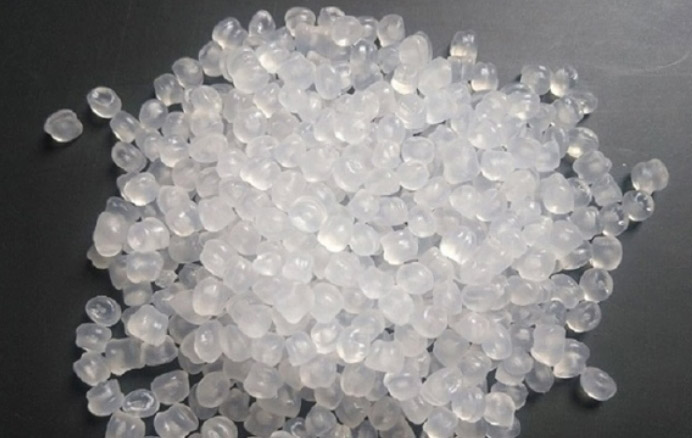
Polypropylene is lightweight, with a density of 0.90–0.91 g/cm³, making it the lightest among general-purpose plastics. It exhibits excellent heat resistance; the long-term service temperature ranges from 100°C to 120°C, and it can withstand temperatures up to 150°C under no-load conditions. It is the only general-purpose plastic capable of withstanding boiling water and sterilization temperatures of 135°C, making it suitable for manufacturing hot-water piping. Its low-temperature performance is inferior to that of polyethylene; its brittle transition temperature is between -10°C and -13°C (compared to -60°C for polyethylene). Poor impact resistance at low or even room temperatures—specifically a tendency to become brittle and crack in the cold—is a primary drawback of polypropylene. As a non-polar material, it possesses excellent chemical stability, which improves with higher crystallinity. Apart from corrosive effects caused by strong oxidizing acids (such as fuming sulfuric acid and nitric acid), no solvent dissolves polypropylene at room temperature; however, low-molecular-weight aliphatic hydrocarbons, aromatic hydrocarbons, and chlorinated hydrocarbons can cause softening or swelling. It has very low water absorption, with a rate of less than 0.01%. During molding and use, polypropylene is susceptible to aging caused by light, heat, and oxygen. It can age and become brittle after just 12 days of atmospheric exposure and deteriorate after four months indoors; consequently, additives such as UV absorbers, antioxidants, carbon black, and zinc oxide are typically incorporated to enhance the weather resistance of polypropylene products.
Polypropylene surpasses high-density polyethylene in mechanical strength, rigidity, and resistance to stress cracking. It also demonstrates outstanding elongation properties and resistance to flexural fatigue; "living hinges" made from the material have withstood 70 million bending cycles without showing signs of damage.
It possesses excellent electrical insulation properties—particularly for high-frequency applications—and high dielectric strength. Combined with its low water absorption, this makes it suitable for use as heat-resistant insulation in radio and television equipment operating at temperatures up to 120°C.
Polypropylene possesses excellent overall properties and can be processed via injection molding, extrusion, and blow molding to create a wide range of products. Injection-molded products account for the largest share of these applications, including household goods, recreational and sports equipment, and toys; automotive components such as battery cases, air conditioning parts, and radiator fans; rigid packaging items like medical containers, caps, and cosmetic cases; and mechanical parts such as washing machine tubs, agitators, and air ducts. Extruded products include wires, cables, films, sheets, and pipes; films are primarily used for packaging clothing, knitwear, video products, and cigarettes. Blow-molded products include various containers and bottles.
Polypropylene fibers are categorized into continuous filaments (monofilaments, multifilaments, and bulked yarns) and staple fibers. These fibers can serve as substitutes for natural fibers such as cotton, linen, silk, and wool. They are primarily used in weaving and knitting applications, producing items such as carpets, upholstery fabrics, strapping materials, ropes, and woven bags.
ZHEJIANG CHAOXIN MACHINERY TECHNOLOGY CO., LTD.
Booth No: A319
Time: September 09 – 12, 2026
Add: Ho Chi Minh City, Vietnam
Exhibition Hall: Saigon Exhibition & Convention Center (SECC)
Email: cx1@chaoxin.cn
WEB: www.zjchaoxin.com





 English
 Pусский
 Español