Buying Your First Machine?
Call +86-13958915221
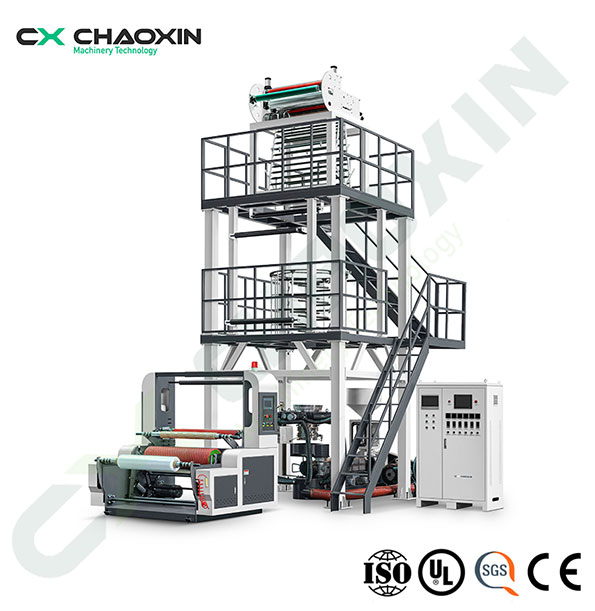
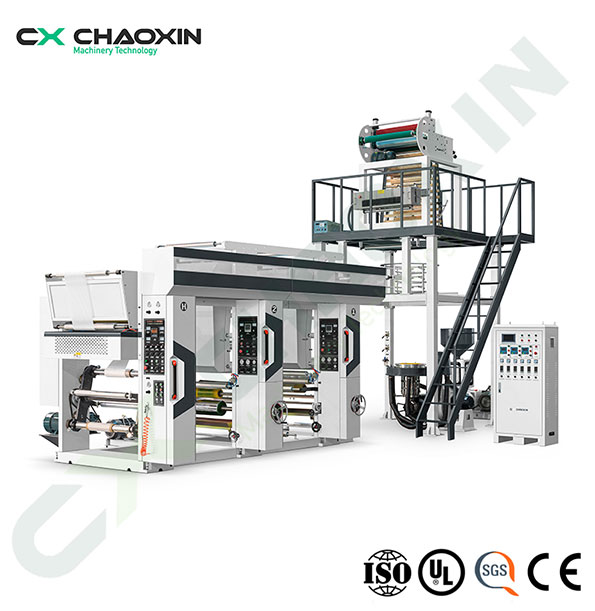
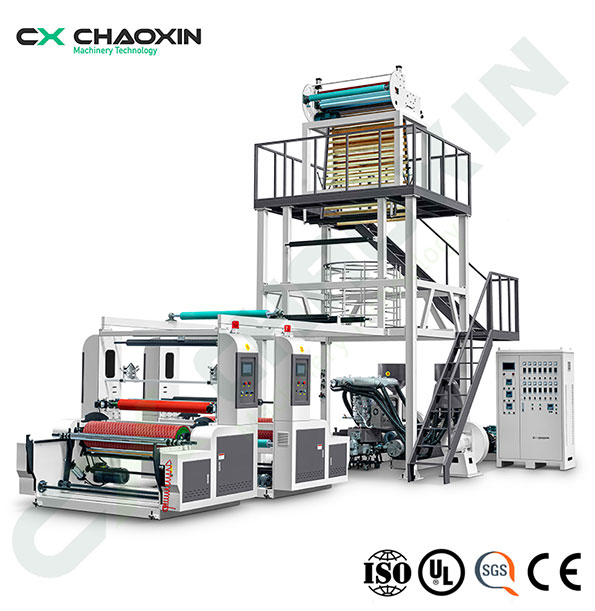
You don’t always need five layers. For garbage bags, shopping bags, and agricultural covering films, a mono layer blown film machine does the job without the complexity or cost of co‑extrusion. It runs HDPE and LDPE. It’s simple to operate. And with an optional EMS system, it can monitor and adjust the extrusion process in real time – something that used to be reserved for much more expensive lines. This guide walks through what mono layer means, which models fit which products, and how to read the spec sheet without getting lost.
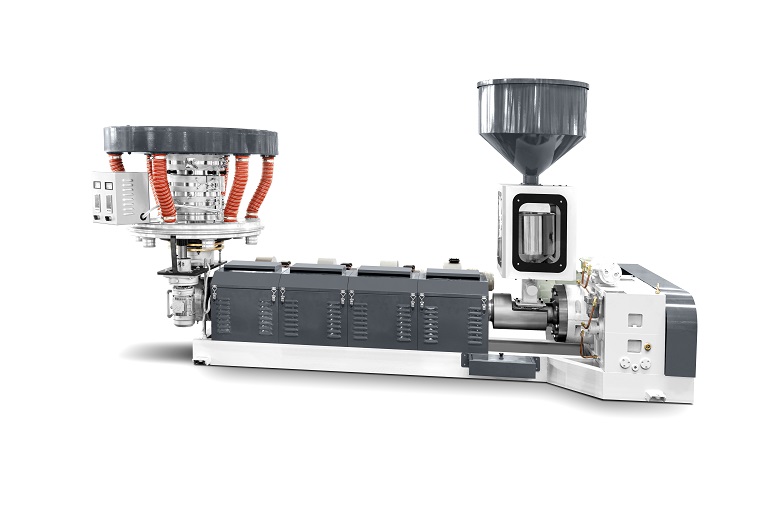
A mono layer line uses a single extruder to produce a single layer of film. That’s it. No multiple materials. No complex die. Just one melt, one bubble, one roll.
The machine handles high‑density polyethylene (HDPE) and low‑density polyethylene (LDPE) – the workhorses of commodity film. HDPE gives you stiffness and tear resistance (shopping bags). LDPE gives you flexibility and clarity (garbage bags, agricultural covers).
It won’t produce multi‑layer films with barrier properties. If you need EVOH for oxygen barrier or a sealable inner layer, you need co‑extrusion. But for basic packaging, mono layer is often enough.
A mono layer blown film machine is the entry point for converters who don’t yet need multi‑layer capability – or who want a dedicated line for high‑volume commodity products.
Based on the product specifications, here’s why mono layer lines remain popular.
Relatively simple structure. Easy to operate. Easy to master and maintain. A new operator can learn the basics in days, not weeks.
Compared with multi‑layer film blowing machines, the investment cost is lower. For a startup or a line dedicated to commodity film, the payback period is shorter.
Suitable for producing basic plastic film products such as garbage bags, shopping bags, agricultural covering films, and more.
Strong production flexibility. You can adjust the thickness and width of the film as needed without major retooling.
The energy consumption is relatively small compared to multi‑layer lines. When you’re running 24/7, that difference adds up.
The machine can be equipped with an EMS system (Energy Management System / Extrusion Monitoring System). It monitors and adjusts the extrusion process in real time to ensure film stability.
Melt temperature
Motor load
Output consistency
Bubble stability
Heater output to maintain temperature
Screw speed to maintain output
Air ring cooling to stabilize the bubble
For a mono layer line, this level of control is not standard on cheaper machines. It’s what separates a line that drifts after an hour from one that holds steady all shift.
Chaoxin offers multiple models. Here’s how to read them without getting lost.
| Model | Screw Diameter | Film Width | Thickness Range | Typical Application |
|---|---|---|---|---|
| CX-700-1100 | 50‑65mm | 300‑1200mm | 0.006‑0.10mm | T‑shirt bags, garbage bags |
| CX-1100-1600 | 55‑65mm | 500‑1500mm | – | T‑shirt bags, flat bags |
| CX-1300-2100 | 65‑90mm | 800‑1900mm | 0.006‑0.10mm | T‑shirt bags, flat bags |
| CX-1300-2200 | 65‑85mm | 800‑2100mm | 0.006‑0.03mm | Agricultural film |
| CX-700-1300 | 50‑65mm | 100‑1000mm | 0.006‑0.10mm | T‑shirt bags, garbage bags |
A larger screw pushes more material but requires more power. For high‑output commodity film, 65‑90mm is common. For thinner films or smaller runs, 50‑60mm is adequate.
The width range is adjustable within each model. Wider is not always better – match the width to your bag‑making or slitting equipment.
0.006‑0.10mm covers most commodity applications – from thin T‑shirt bags (0.006‑0.01mm) to thicker garbage bags and agricultural covers (0.03‑0.10mm). The CX-1300-2200 model is specifically noted for agricultural film with a thinner top range (0.03mm).
Models: CX-700-1100, CX-1100-1600, CX-1300-2100, CX-700-1300
Look for screw diameters of 55‑65mm for moderate output, or 65‑90mm for high volume. Thickness down to 0.006mm is fine for lightweight carry bags.
Models: CX-700-1100, CX-700-1300
Heavier film (0.03‑0.10mm) requires good bubble stability. The EMS system is valuable here to maintain consistent thickness.
Model: CX-1300-2200
Note the thinner thickness range (0.006‑0.03mm) and wider width (up to 2100mm). Agricultural film needs UV stability – check if the line is compatible with UV masterbatch.
Model: CX-700-1100
Output rated at 100‑120kg/h. Shrink film requires precise cooling; the EMS system helps maintain bubble stability.
The EMS system is not standard on all models. Ask whether it’s included or an add‑on. For thin films (below 0.01mm), it’s worth the upgrade.
The spec sheet shows “up to” numbers. Actual output will vary with material (LDPE runs faster than HDPE), die size, and cooling efficiency.
You can add masterbatch for color, UV stabilizers for agricultural film, or anti‑block agents for bags. The screw design needs to handle the additive – ask about compatibility.
You could spend weeks comparing screw diameters and output claims. Or you could look at what Chaoxin has been doing with mono layer machines for years.
Their approach is straightforward: keep it simple, keep it stable. No unnecessary bells and whistles. Just a line that runs HDPE and LDPE, with an optional EMS system if you need real‑time monitoring.
The model range covers screws from 50mm to 90mm and film widths from 300mm to 2100mm. That’s enough for T‑shirt bags, garbage bags, and agricultural film – the bread and butter of the mono layer market.
What’s actually useful to know:
The production flowchart is available – you can see exactly how the line goes from pellet to roll before you buy.
They exhibit at trade shows – CHINAPLAST 2026, Booth 8.1B46. If you’re going, you can see the line run in person.
The catalog is free – no need to talk to a salesperson just to get basic specs.
You should consider mono layer if:
You produce commodity bags (T‑shirt bags, garbage bags, flat bags)
You run agricultural covering film
You want lower upfront investment
You need simple operation with less training
You should consider multi‑layer if:
You need barrier properties (oxygen, moisture)
You run food packaging with high seal strength requirements
You need to combine recycled material with a virgin outer layer
Your customers demand downgauging (thinner film with same strength)
For many converters, a mono layer line is not a compromise – it’s the right tool for the job.
You don’t need to spec a machine from a web page. Chaoxin offers a free catalog that details screw configurations, EMS options, and output estimates for each model. Ask for the production flowchart to see the process from pellet to roll.
A mono layer blown film machine that matches your film type, width, and thickness will run reliably for years. Chaoxin builds them with simple operation and low energy use.
ZHEJIANG CHAOXIN MACHINERY TECHNOLOGY CO., LTD.
Booth No:18.1F20
Time:October 15 – 19, 2026
Add:Canton Fair Complex (Pazhou), Guangzhou
WEB: www.zjchaoxin.com





 English
 Pусский
 Español