Buying Your First Machine?
Call +86-13958915221
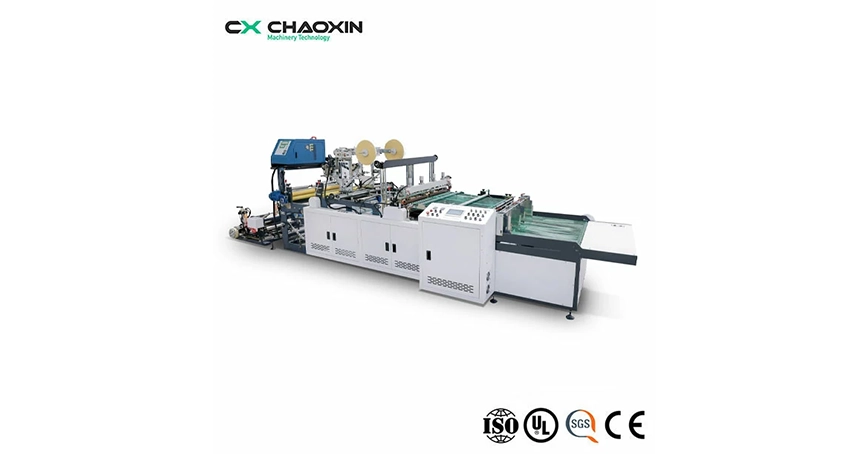
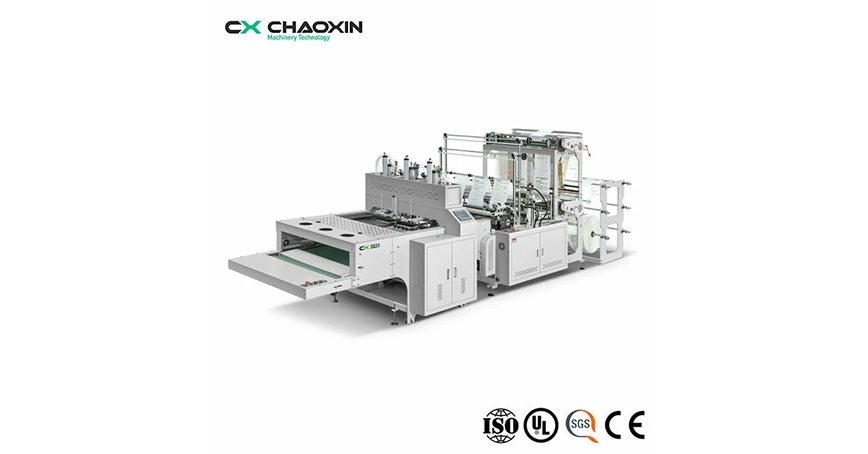
For most standard side-seal bag making machines using PE (polyethylene) film, the optimal temperature range is typically between 150°C and 200°C (302°F to 392°F). However, based on practical production experience, this range is just a starting point. The perfect temperature depends on the type of PE resin (LDPE, LLDPE, HDPE), film thickness, the pressure and dwell time of the machine's sealing jaws, and even the humidity in the workshop. As an engineer who has worked with these machines for years, with oil on my hands and film scraps under my fingernails, I know that mastering this is the key to distinguishing between smooth production and daily headaches. Let's put aside the technical jargon and delve into how to make your bag-making production line run efficiently.
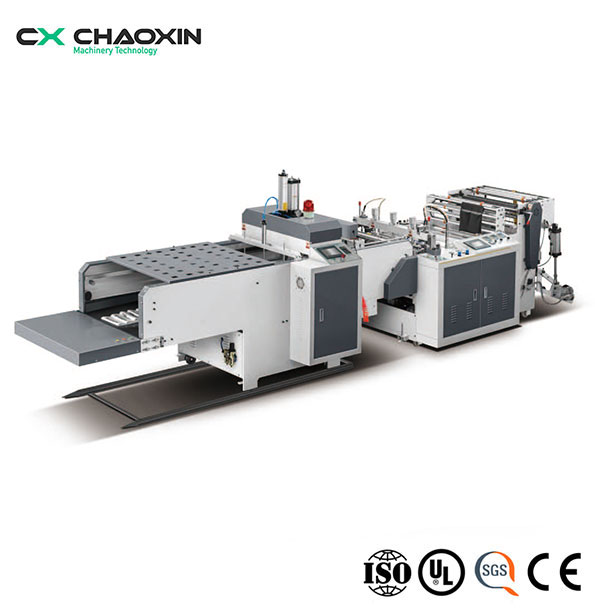
Before we dive into the digits on the temperature controller, let's picture what’s happening inside that machine. A side seal bag making machine is a marvel of focused heat and timing. The PE film unwind, gets folded, and then the critical moment happens: two heated sealing jaws (or bars) come together, pressing the film layers. This isn't just melting plastic; it's a precise thermal fusion. The heat breaks down the polymer chains at the interface, pressure pushes them together, and as they cool under pressure, they re-form into a single, strong, homogenous seal.
The heat sealing process is deceptively simple but wildly sensitive. Think of it like toasting the perfect marshmallow. Too little heat (a low sealing temperature), and the layers just stick weakly—a “cold seal” that peels apart under stress. Too much heat, and you scorch the film. It becomes brittle, may stick to the jaws, and often creates a weak, “burned” seal that’s prone to cracking. For PE films, which have a relatively low melting point compared to materials like PP or PET, this window is especially crucial.
Alright, let's get specific. You’ll see the 150-200°C range everywhere. But why such a span? Because “PE film” isn't one thing. It’s a family, and each member has its own personality.
LLDPE (Linear Low-Density Polyethylene): The workhorse. Tougher, more puncture-resistant, used for everything from garment bags to light industrial packaging. It needs a bit more oomph. Target sealing temperature: 160°C - 180°C (320°F - 356°F). I’ve found 170°C to be a reliable starting point for most standard gauges.
HDPE (High-Density Polyethylene): Think supermarket T-shirt bags or harder, rustly courier bags. It’s more crystalline and has a higher melting point. Target sealing temperature: 180°C - 200°C (356°F - 392°F). You might even creep to 205°C for thicker mils. The seal will have a different, more defined “bead” look.
Here’s my personal rule of thumb, born from trial and error: For every 25 microns (1 mil) increase in film thickness, you often need to increase the temperature by 5-10°C. A 50-micron LLDPE roll might seal beautifully at 170°C, while the same material at 80 microns might demand 180°C or more to ensure the inner layers fully fuse.
Fixing your gaze solely on the sealing temperature is like tuning only one string on a guitar. The melody comes from harmony. In bag making, these parameters are your other strings:
Dwell Time: This is how long the jaws press the film. More time = more heat transfer. A common mistake is cranking up temperature to compensate for too-short dwell time, which leads to uneven sealing. For fast machines (over 100 cycles/min), dwell time is milliseconds. Your temperature might need to be at the higher end of the range to achieve fusion in that tiny window.
Sealing Jaw Pressure: Too little, and the layers don’t mate properly. Too much, and you squeeze molten material out, creating a thin, weak “flash” at the seal’s edge. The goal is firm, consistent pressure. I recall a client who had constant seal failures; we found a worn pneumatic cylinder causing inconsistent pressure. A simple fix saved them thousands in waste.
Jaw Design & Coating: Flat jaws? Serrated? Teflon-coated? A smooth, Teflon-coated jaw distributes heat evenly and prevents sticking, allowing for a slightly lower temperature. A serrated jaw grips the film, which can be great for slippery materials but may require careful temp adjustment to avoid perforating the seal.
Cooling Time: After the jaws release, the seal must solidify under tension. Inadequate cooling (or excessive line speed) can cause the still-soft seal to be pulled apart, leaving wrinkles or even de-lamination.
Let’s get practical. Your seals are failing. What’s the fix? Don’t just randomly turn knobs. Diagnose.
Problem: Weak, Peeling Seals.
Likely Culprits: Sealing temperature too low. Dwell time too short. Contaminated film surface (dust, moisture, release agent).
The Fix: Increase temperature in 5°C increments. Check and clean the film path. Verify jaw alignment and pressure.
Problem: Burnt, Brittle Seals or Film Sticking to Jaws.
Likely Culprits: Temperature far too high. Dwell time too long. Poor jaw coating (Teflon worn off).
The Fix: Drop the temperature immediately. Inspect jaw surfaces. Re-coat if necessary. Listen for a slight hiss—that’s often the sound of overheated film.
Problem: Wrinkled or Distorted Seals.
Likely Culprits: Uneven jaw temperature. Misaligned jaws. Film tension issues before sealing.
The Fix: Use a contact pyrometer (a must-have tool!) to check for hot spots on the jaws. Re-align the sealing mechanism. Check the dancer rollers and brake tension on the unwinder.
Problem: Inconsistent Seals Along the Length.
Likely Culprits: Worn heating elements or faulty temperature controller. Fluctuating line speed.
The Fix: This is where machine quality screams. A cheap heat regulator will cycle, causing temp swings. A high-quality PID controller, like those standard on ChaoXin machines, maintains a steady ±1°C. Check your controller’s calibration.
No two production lines are identical. Maybe you’re using recycled-content PE film (which often has a broader and less predictable melting range). Perhaps you’re making antistatic bags for electronics, where the additive can affect sealability. This is where the promise of “customization” from a manufacturer like ChaoXin becomes tangible.
Instead of giving you a generic manual, their engineers can work with you to create a sealing parameter profile for your specific material. They might recommend a special jaw coating for a tricky film, or adjust the machine’s cooling system for your high-speed line. This collaborative, problem-solving approach is what moves you from operating a machine to optimizing a production asset. It turns the daunting task of setting the sealing temperature from a guess into a data-driven, repeatable process.
Finding the right sealing temperature range for your side seal bag making machine is a blend of science, machine quality, and hands-on artistry. It starts with the basic 150-200°C guide for PE but demands you listen to the material and watch the machine. Remember, temperature doesn’t work alone—it’s in a constant dance with time, pressure, and cooling.
Investing in a robust, thermally stable machine from a brand committed to precision, like ChaoXin, isn’t just a purchase; it’s buying peace of mind and profitability. It ensures that the delicate thermal process at the heart of bag making is controlled, consistent, and capable of handling the unique challenges of your film.
Ready to Achieve Perfect Seals Consistently?
Stop battling with temperature fluctuations and seal failures. Explore the range of precision-engineered side seal bag making machines from ChaoXin, designed for unparalleled thermal control and high yield. Contact our engineering team today for a personalized consultation and discover how we can tailor a solution for your specific PE film and production goals.
ZHEJIANG CHAOXIN MACHINERY TECHNOLOGY CO., LTD.
Booth No:18.1F20
Time:October 15 – 19, 2026
Add:Canton Fair Complex (Pazhou), Guangzhou
WEB: www.zjchaoxin.com





 English
 Pусский
 Español